Criminal organizations are raking in enormous profits from the illegal handling of hazardous waste, leaving poorer nations to cope with toxic pollution and mounting health risks, according to a recent report by the United Nations Office on Drugs and Crime.
The study exposes how weak regulations and limited enforcement in low-income countries make them prime targets for illicit waste operations.
The report, “Waste Crimes and Trafficking,” estimates that the underground hazardous waste market produces as much as $18 billion, or roughly Sh2.32 trillion, in annual illegal earnings.
While the global waste management sector is booming—valued at $1.2 trillion (Sh154.68 trillion) in 2024, up from $410 billion (Sh52.85 trillion) in 2011—criminal networks are siphoning off large sums by exploiting gaps in oversight and low penalties.
Electronic waste is a particular concern. Only around 20 percent of e-waste is processed safely, allowing traffickers to extract valuable metals like copper, gold, and iron, and sell them for billions, bypassing environmentally responsible disposal methods.
UNODC highlights that traffickers often hide behind companies that appear legitimate and use sophisticated logistics to collect, transport, and dispose of waste across borders. Some criminal networks control the process from the point of generation to the final dumping site.
“Common methods include mislabeling hazardous waste as safe, dumping it in rivers or lakes, and burning it to produce energy, all while undercutting legitimate disposal firms,” the report notes. By doing so, traffickers avoid the costs and rules that legal waste companies must follow.
“Our study demonstrates that waste trafficking continues to be incredibly difficult to detect, investigate and prosecute. This is not an abstract challenge, but one with severe consequences for public health, as it drives toxic pollution of drinking water, the ocean, soil and more,” said Candice Welsch, Director of Policy Analysis and Public Affairs at UNODC.
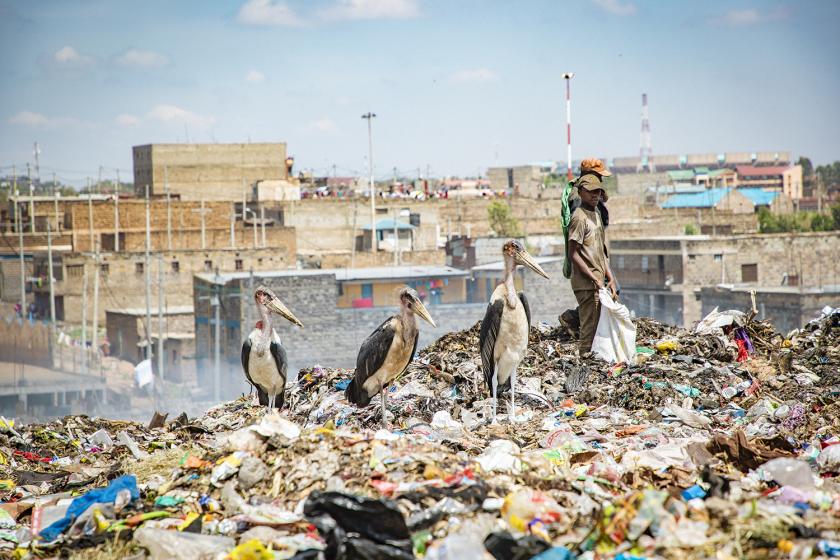
The consequences are most severe for low-income countries, where fragile legal systems and limited waste infrastructure magnify both environmental and health risks. Informal waste workers are exposed to dangerous materials, while ecosystems suffer lasting damage that can take decades to repair.
Beyond environmental and health impacts, the illegal trade encourages corruption, undermines governance, and supports organized crime, including transnational networks.
To address this growing problem, UNODC is calling for stricter enforcement, better waste tracking, harmonized legal standards, higher penalties, and stronger international collaboration. The agency stresses that these measures are critical to protecting public health, safeguarding the environment, and curbing the illicit profits flowing from hazardous waste.